Why Tech Giants Are Spending Millions on the "Last Mile" of AI—And What It Means for Your Business
Last week, Anthropic—the multi-billion-dollar AI company behind Claude—made headlines by acquiring a relatively small developer platform called Stainless for a reported $300 million.
To the average onlooker, this sounds like just another tech headline. But if you dig beneath the surface, this acquisition reveals exactly where the AI revolution is heading next. It signals a massive shift from how smart AI models are, to how useful they can actually be for small businesses.
Here is what is happening, why it matters, and how it will change the way you run your business.
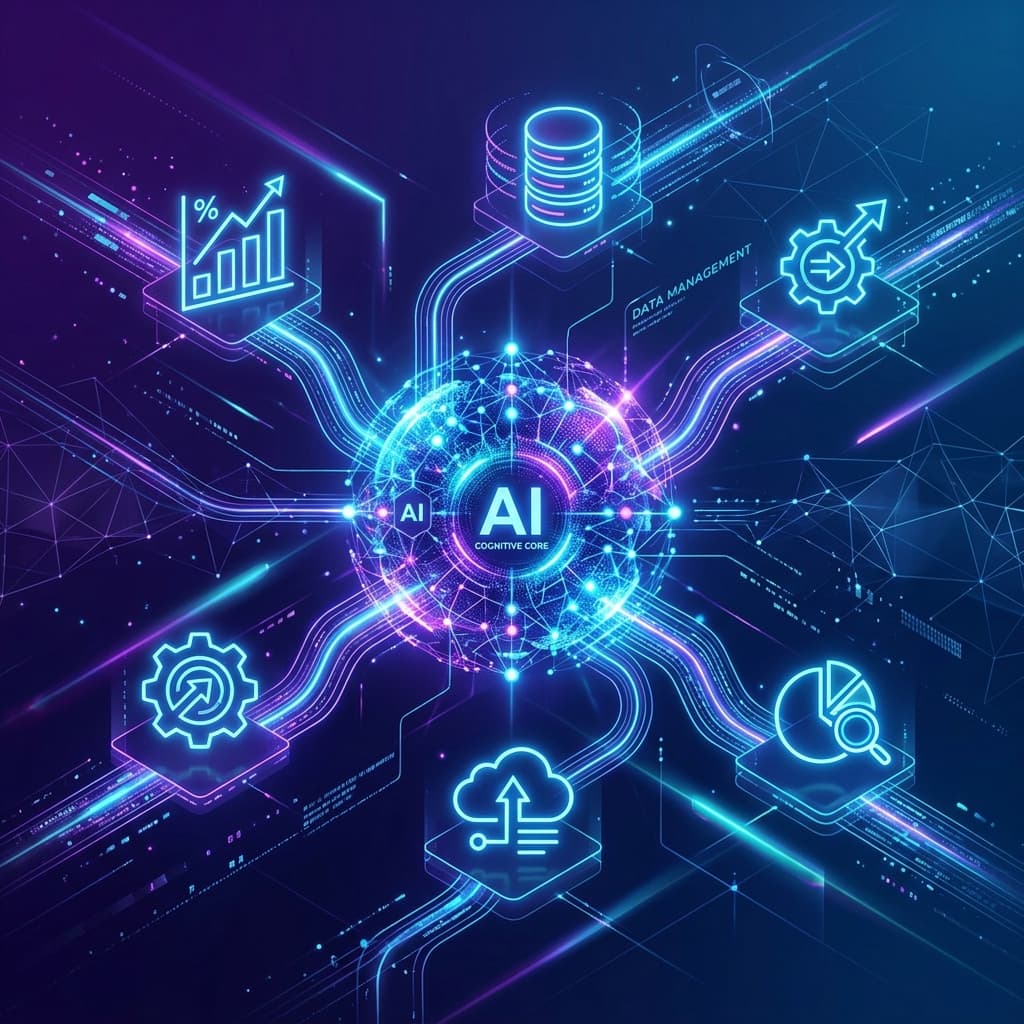
🎈The Big Problem: AI is Smart, But It’s Trapped in a Bubble
Over the past two years, AI models have gotten incredibly intelligent. They can write poetry, debug code, and analyze financial spreadsheets. But for small business owners, standard AI still has one frustrating limitation: It lives in a bubble.
💬 Disconnected Chat
It can talk to you in a chat window, but it can’t log into your CRM or Xero account to update a client's address or process an invoice.
📦 Isolated Knowledge
It can write a product description, but it can't check your local warehouse inventory database or Shopify store to see if that item is in stock.
To make an AI truly useful, engineers have to build "bridges" (called SDKs or APIs) so the AI can securely talk to other software. Building these bridges manually is slow, expensive, and prone to breaking.
This is what Stainless fixed. They built the world’s best automated system for creating these digital bridges, making it effortless for different software applications to talk to one another.
🔌Why Anthropic Paid $300 Million for It
By buying Stainless, Anthropic isn’t trying to make their AI "smarter." Instead, they are ensuring that Claude will be the easiest AI to connect to real-world business tools.
Think of it like the early days of smartphones. The best phone wasn't just the one with the fastest processor; it was the one that seamlessly connected to the best apps, the most printers, and the easiest bluetooth headsets.
Anthropic wants to control the plumbing. By owning the company that builds the cleanest connections, they are positioning Claude to become the central operating system for business automation.
💼What This Means For Small Business Owners
You don't need to understand the underlying code to feel the impact of this deal. Over the next 12 to 18 months, this shift in the tech landscape will bring several practical benefits to small operations:
True "Plug-and-Play" Business Automation
Until now, setting up an AI "Agent" to handle your customer service, manage your scheduling, or automate your invoicing required hiring expensive software developers. Because connecting AI to your existing tools is becoming automated, the cost of deployment will plummet. You will soon see highly customized, affordable automation tools tailored specifically for small business budgets.
Fewer "Disconnected" Apps
As the infrastructure standardizes, the software you already use daily (like Xero, Shopify, or HubSpot) will be able to integrate with advanced AI much faster. You won't have to constantly jump between five different windows to get a single task done; the AI will be able to coordinate across them natively.
A Highly Competitive AI Market
By acquiring Stainless, Anthropic actually cut off access to several of its direct competitors (including OpenAI and Google), who used Stainless to build their own connections. This "chess move" forces the entire industry to accelerate how fast they build connectivity tools. For business owners, this competition is a win—it means better, faster, and cheaper automation software entering the market.
🎯 The Bottom Line
The era of just "chatting" with an AI is coming to an end. The industry is moving rapidly toward action-oriented AI—systems that can actually do the background work for your business rather than just answering questions.
As a small business owner, you don’t need to worry about the technical details of these corporate acquisitions. Just know that the digital tools you rely on are about to become significantly more connected, more reliable, and much easier to automate.